



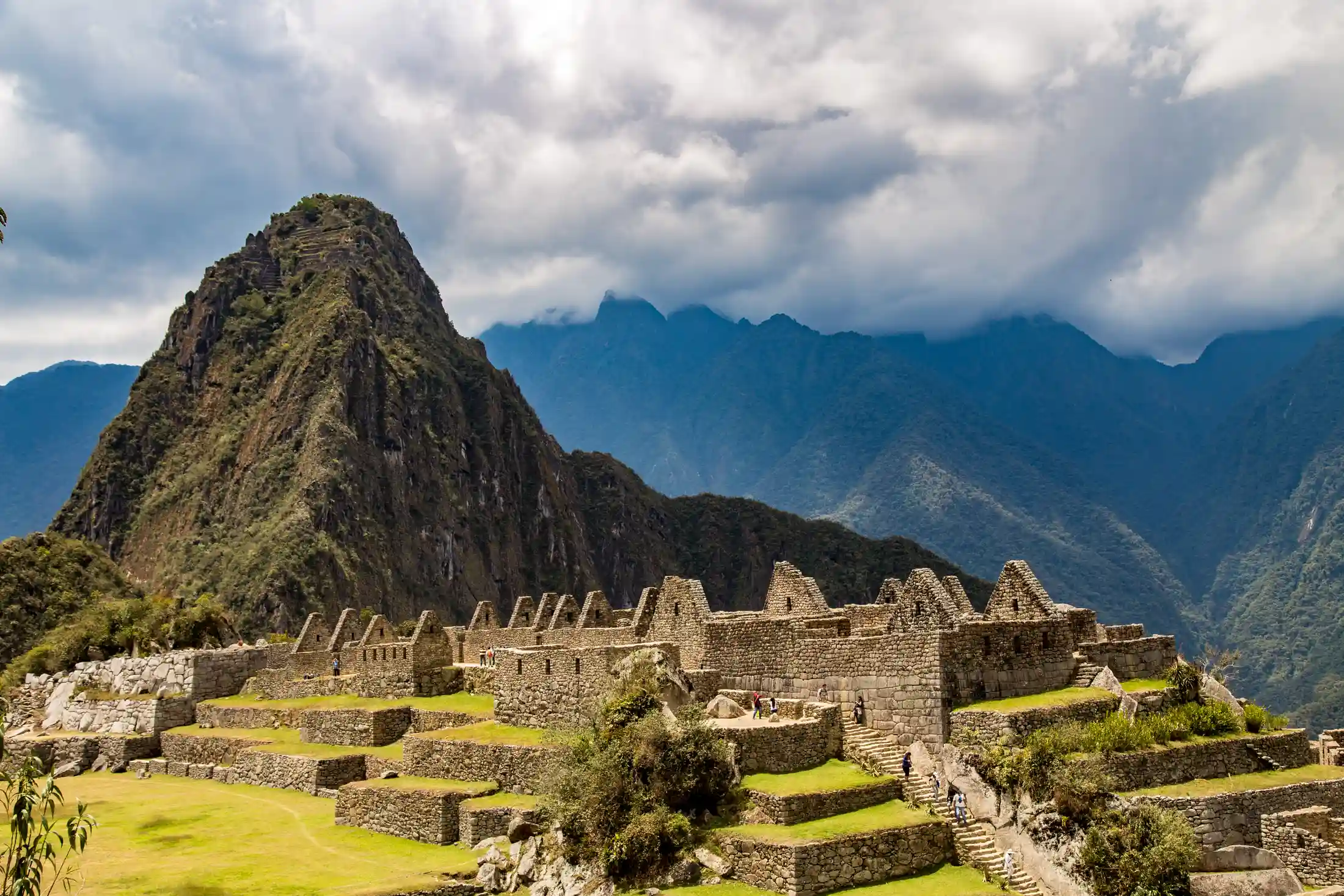
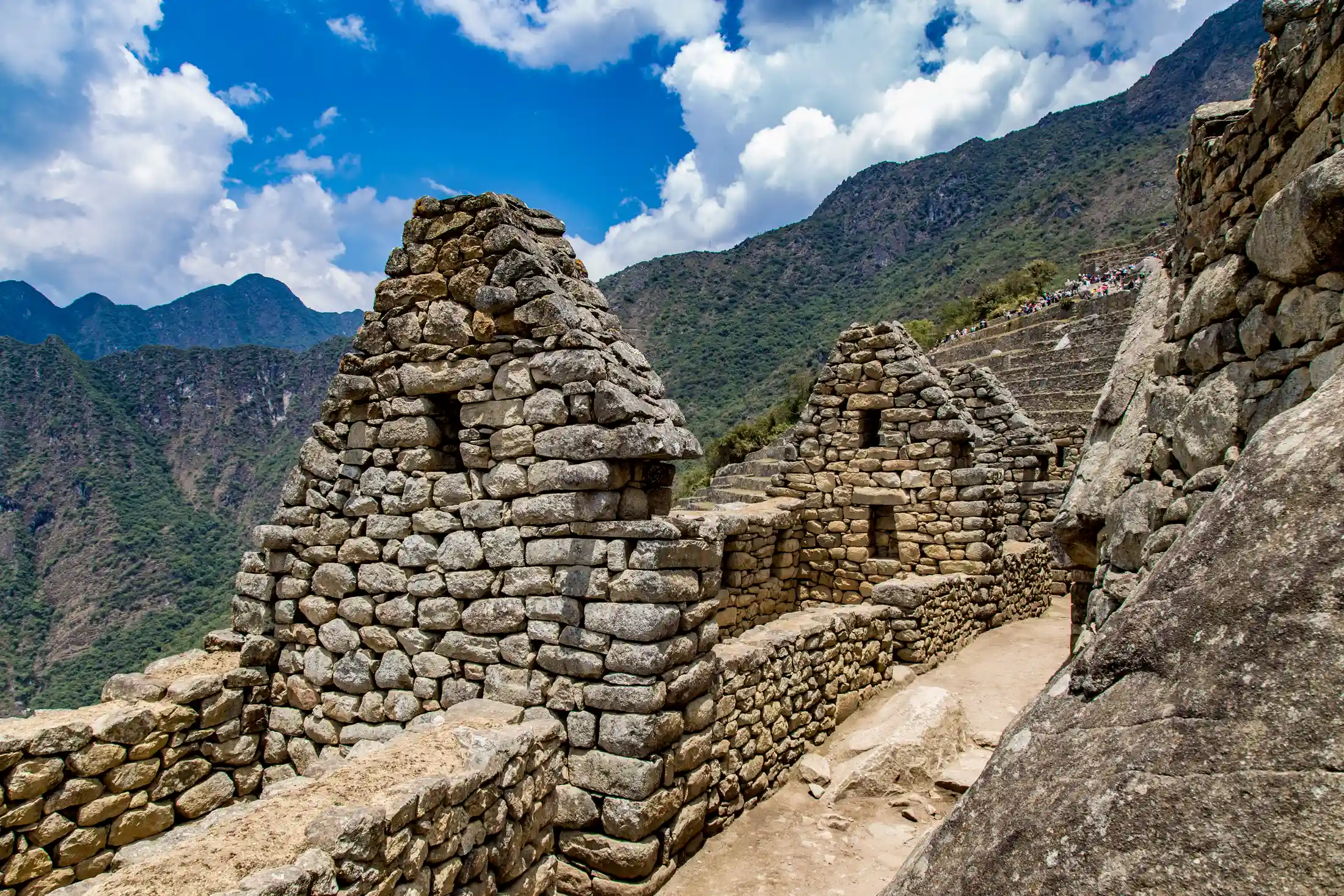
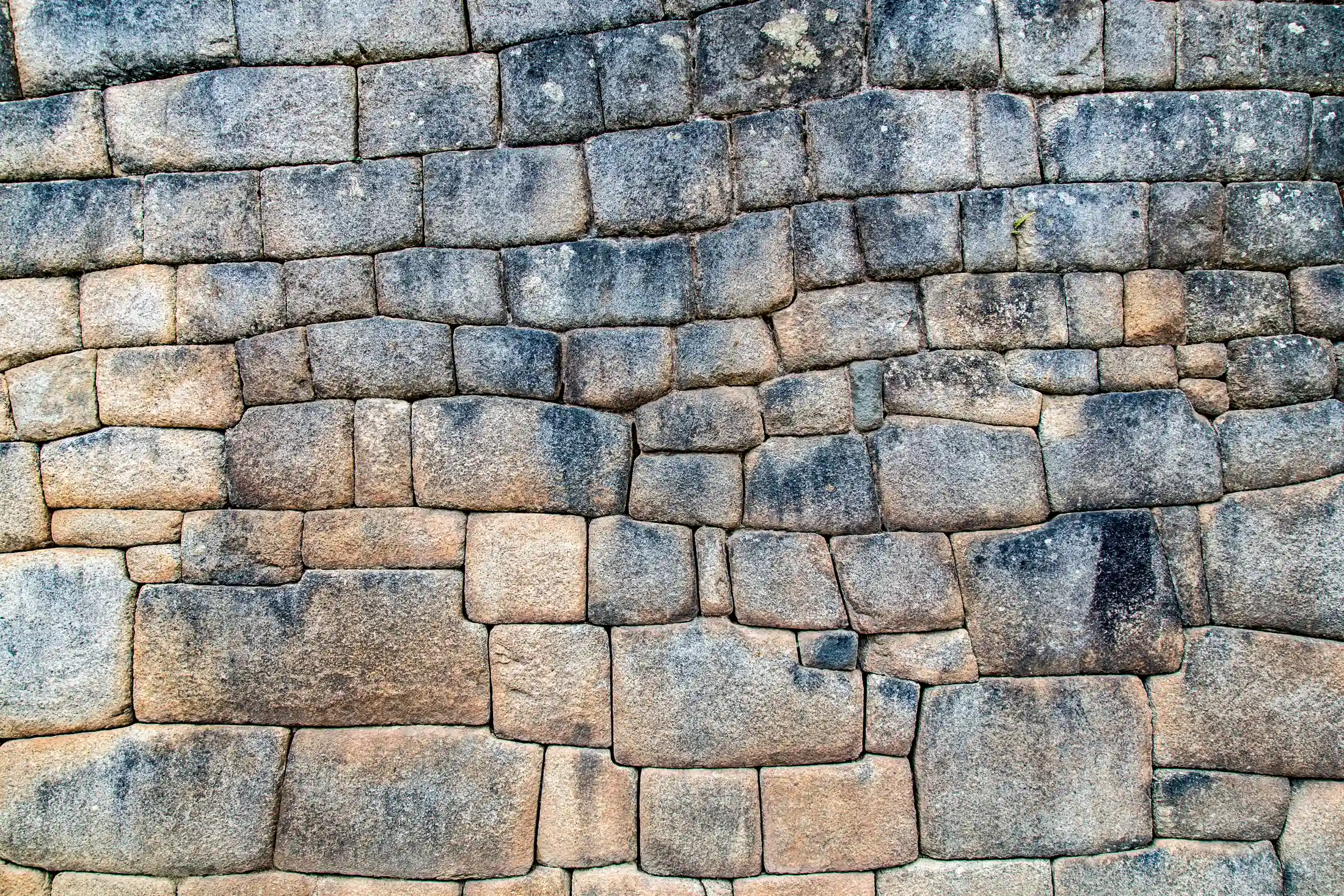
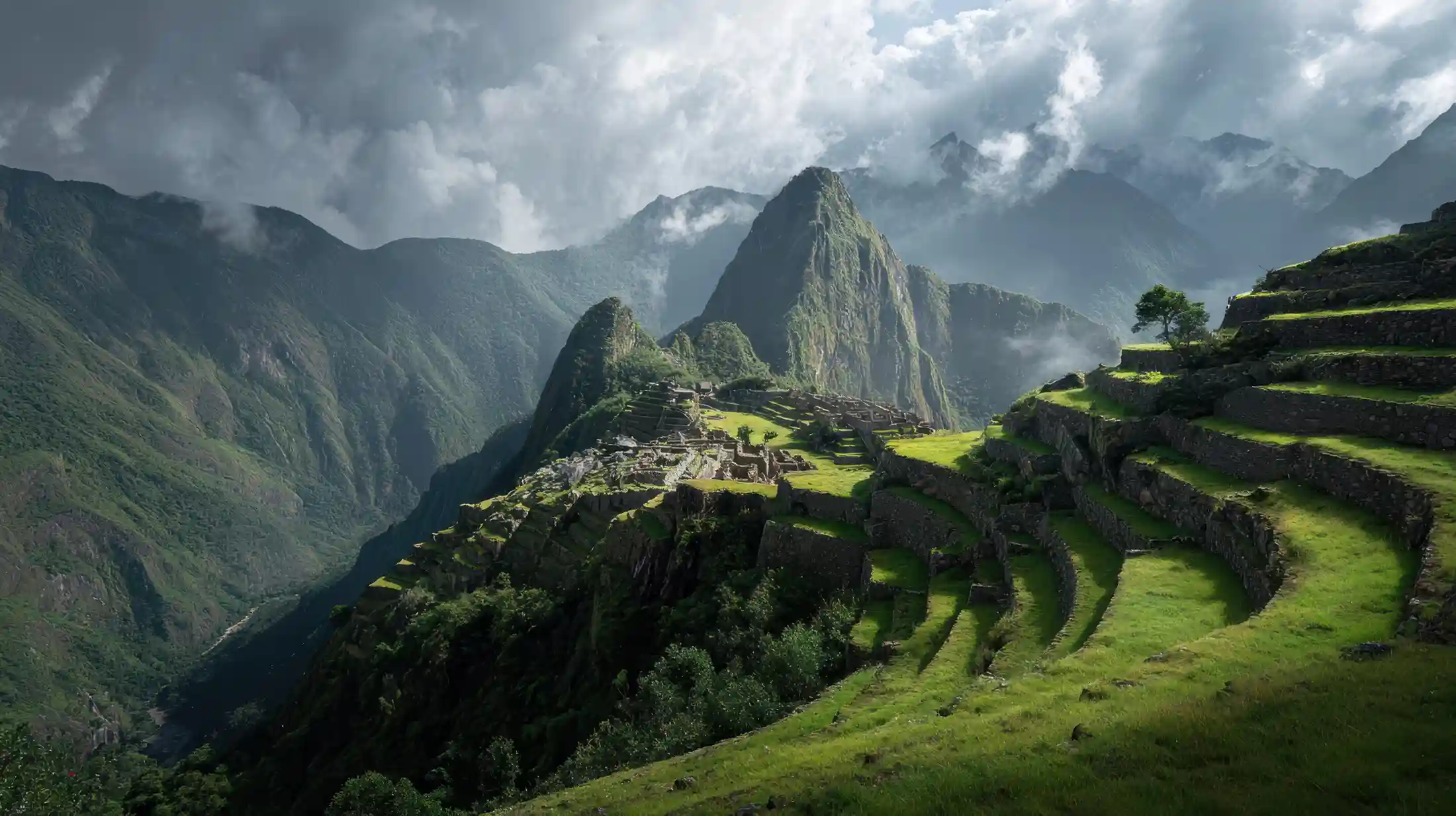
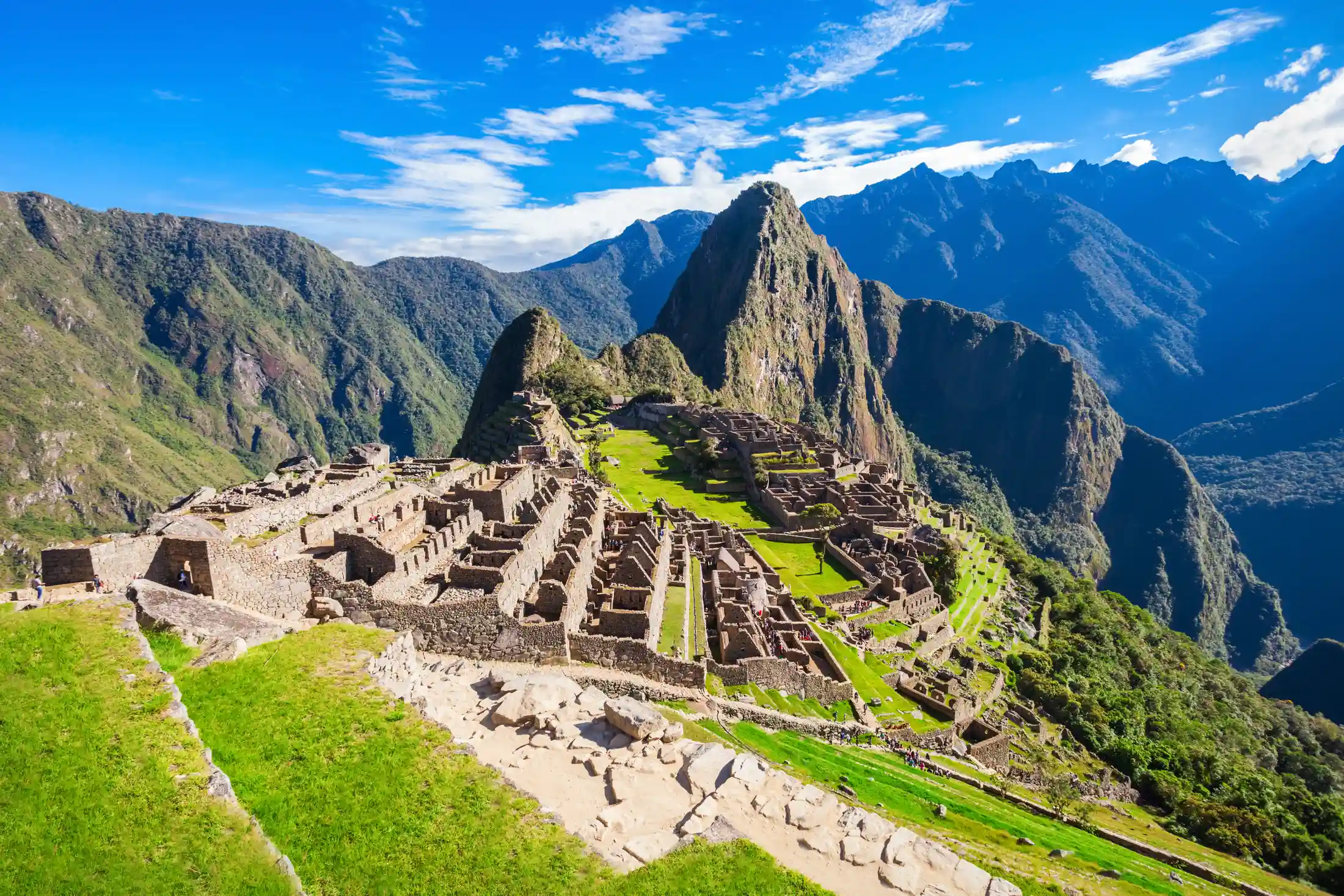

Amazing trip, thoughtful logistics, and a guide who made Machu Picchu unforgettable.
Thi W TripadvisorSignature Peru Tour
Classic Inca Trail 4 Days
Slogan Here
StartsStarts at
DurationDuration
Physical LevelEasy
SitesCusco, Soraypampa
Trip Overview
The Classic Inca Trail is not just a trek to Machu Picchu. It is four days of stone paths, cold passes, cloud forest, Inca sites, early mornings, and that slow feeling of earning every step before reaching the Sun Gate.
This route starts at KM 82, near Ollantaytambo, and follows one of the most valued ancient paths in Peru. The trail moves through dry valleys, high mountain zones, humid forest, old stairways, narrow ridges, and archaeological sites that most travelers never see when they arrive only by train.
With Elvis Adventures, the trek is planned with official permits, licensed guides, porters, camping equipment, meals, transport, oxygen support, first aid kit, Machu Picchu ticket, and return logistics.
For honest planning, this tour cannot be left for the last minute. Inca Trail permits are limited and can sell out months in advance, especially from April to October. If you want this route, early booking gives you the best chance of securing your space, your preferred date, and a stronger Machu Picchu circuit.
Day by Day Schedule
Highlight of the day: Begin the Classic Inca Trail at KM 82 and walk past the first Inca sites, river views, dry valley paths, and farming areas before reaching the first camp.
The day begins early in Cusco. The air is usually cold before sunrise, so a warm layer helps during the first hours. After pickup from your hotel or an agreed meeting point, you travel by tourist vehicle toward the Sacred Valley.
The road passes through Andean towns, farming areas, and mountain views before reaching Ollantaytambo and then the trail control area near KM 82. At the checkpoint, your passport and Inca Trail permit are checked. The permit must match your personal information, so carrying your original passport is essential.
After the control point, the trek begins on a trail that follows the Urubamba River area. The ground is mostly compact dirt, stones, and rural path. The first section is not the hardest of the trek, but it gives your body time to enter the walking rhythm.
Along the way, your guide will point out Patallacta, one of the first major Inca sites on the route. From above, the terraces and stone structures show how the Incas used the valley for farming, control, and movement.
The weather can feel warm during the day, especially if the sun is strong. The trail has open sections, so sunscreen, hat, and water matter. Later, the route continues toward the first campsite, usually around Ayapata, Wayllabamba, or a nearby authorized camp depending on the permit allocation.
At camp, the porters and cook will already be working. Tents are prepared, warm drinks are served, and dinner is cooked in the mountain setting. The first night is usually not the coldest, but temperatures can drop once the sun disappears.
Technical details
- Transport: Tourist vehicle from Cusco to KM 82
- Walking level: Moderate
- Approximate distance: Around 11 to 14 km / 6.8 to 8.7 mi depending on camp allocation
- Trail surface: Compact dirt, stones, rural paths, short climbs, and open valley sections
- Climate: Cold morning, warmer walking sections, cooler night
- Main places: Cusco, Ollantaytambo, KM 82, Patallacta, first campsite
- Accommodation: Camping
- Meals: Lunch and dinner, depending on final operation
- Physical demand: Moderate, with gradual altitude gain
- Important note: Permit and passport control happen before starting the trail

Highlight of the day: Cross Warmiwañusca, the highest and hardest pass of the Classic Inca Trail.
Day 2 is usually the most difficult day of the trek. The morning starts early, and the air can feel cold around camp. After breakfast, the trail begins to climb steadily toward the high mountain zone.
The route moves through changing terrain. Lower sections may include forest, dirt paths, and stone steps. As you climb higher, the vegetation becomes thinner, the air colder, and the trail steeper.
The main goal is Warmiwañusca, also known as Dead Woman’s Pass, around 4,215 m / 13,828 ft. This climb asks for patience. It is not a race. The guide will set a slow rhythm, and short pauses help the body manage the altitude.
The ground may include stone stairs, uneven steps, compact dirt, loose rocks, and wet sections if it has rained. Some travelers feel headache, shortness of breath, or heavy legs near the pass. This is why acclimatization before the trek matters.
Reaching the pass feels powerful because it is the highest point of the route. The wind can be strong, and the temperature may drop quickly. After photos and rest, the trail descends toward Pacaymayo.
The descent can be hard on the knees. The stone steps are uneven, and after rain they can feel slippery. Walking poles are helpful.
At the Pacaymayo area, camp is set for the night. This campsite is colder than the first one, and warm clothing is important before dinner.
Technical details
- Transport: No vehicle during the trekking section
- Walking level: Challenging
- Approximate distance: Around 10 to 12 km / 6.2 to 7.5 mi depending on camp allocation
- Highest point: Warmiwañusca, around 4,215 m / 13,828 ft
- Trail surface: Stone steps, compact dirt, loose rocks, steep climbs, and long descent
- Climate: Cold morning, windy pass, cold campsite
- Main places: Warmiwañusca and Pacaymayo
- Accommodation: Camping
- Meals: Breakfast, lunch, and dinner
- Physical demand: High due to altitude and steep ascent
- Important note: This is the day where many travelers feel the real challenge of the Inca Trail
Highlight of the day: Walk through the most archaeology-filled day of the trail, passing Runkurakay, Sayacmarca, Phuyupatamarka, and Wiñay Wayna.
Day 3 is long, beautiful in its own rough way, and full of Inca sites. The body may feel tired after Dead Woman’s Pass, but the route gives constant rewards through stone paths, forest changes, and mountain views.
After breakfast, the trail climbs toward Runkurakay, a circular Inca site placed on the route. From here, the path continues toward another high pass. The climb is not as high as Day 2, but the accumulated effort can still be felt.
After the pass, the trail begins to change. You move through cloud forest sections, stone stairs, narrow paths, and humid vegetation. Moss, ferns, orchids, and wet stone may appear depending on season.
The route reaches Sayacmarca, a site placed on a rocky ridge with stairs, walls, and views over the surrounding valleys. The name is often linked to a “difficult-to-reach town,” and the feeling makes sense when you walk through its steep access.
Later, the trail continues toward Phuyupatamarka, often translated as “town above the clouds.” This area can feel cold, humid, and misty, especially when clouds move across the trail. The stonework, platforms, and mountain setting make it one of the strongest sections of the day.
From there, the path descends through long stone stairs toward Wiñay Wayna, one of the finest sites on the Inca Trail. The descent can be demanding on the knees, and the stone steps may feel slippery in wet weather.
Wiñay Wayna sits on a steep mountainside with terraces, stone buildings, stairs, and water channels. The site feels close to Machu Picchu, but still far enough to keep the trail’s tension until the final day.
The last camp is usually near Wiñay Wayna or another authorized site depending on permit allocation. This is the final night on the trail, and the team often shares a short farewell moment with the porters.
Technical details
- Transport: No vehicle during the trekking section
- Walking level: Challenging
- Approximate distance: Around 15 to 16 km / 9.3 to 10 mi depending on camp allocation
- Trail surface: Stone stairs, compact dirt, humid forest path, narrow trail, wet sections, and long descents
- Climate: Cold early morning, humid forest sections, possible mist and rain
- Main places: Runkurakay, Sayacmarca, Phuyupatamarka, Wiñay Wayna
- Accommodation: Camping
- Meals: Breakfast, lunch, and dinner
- Physical demand: High due to distance, descents, and repeated stone steps
- Important note: This day includes many archaeological sites and some of the longest stone stair sections of the trek
Highlight of the day: Reach Inti Punku at the end of the trail, descend to Machu Picchu, and finish with the guided route inside the citadel.
The final day starts very early. The wake-up time is usually before sunrise because the group must reach the checkpoint and continue toward Inti Punku. The morning is dark, humid, and full of movement as trekkers prepare for the final section.
The trail from Wiñay Wayna toward Inti Punku, the Sun Gate, includes stone steps, forest path, narrow sections, and a short steep part near the end. The body may feel tired after three days, but the energy usually changes because Machu Picchu is close.
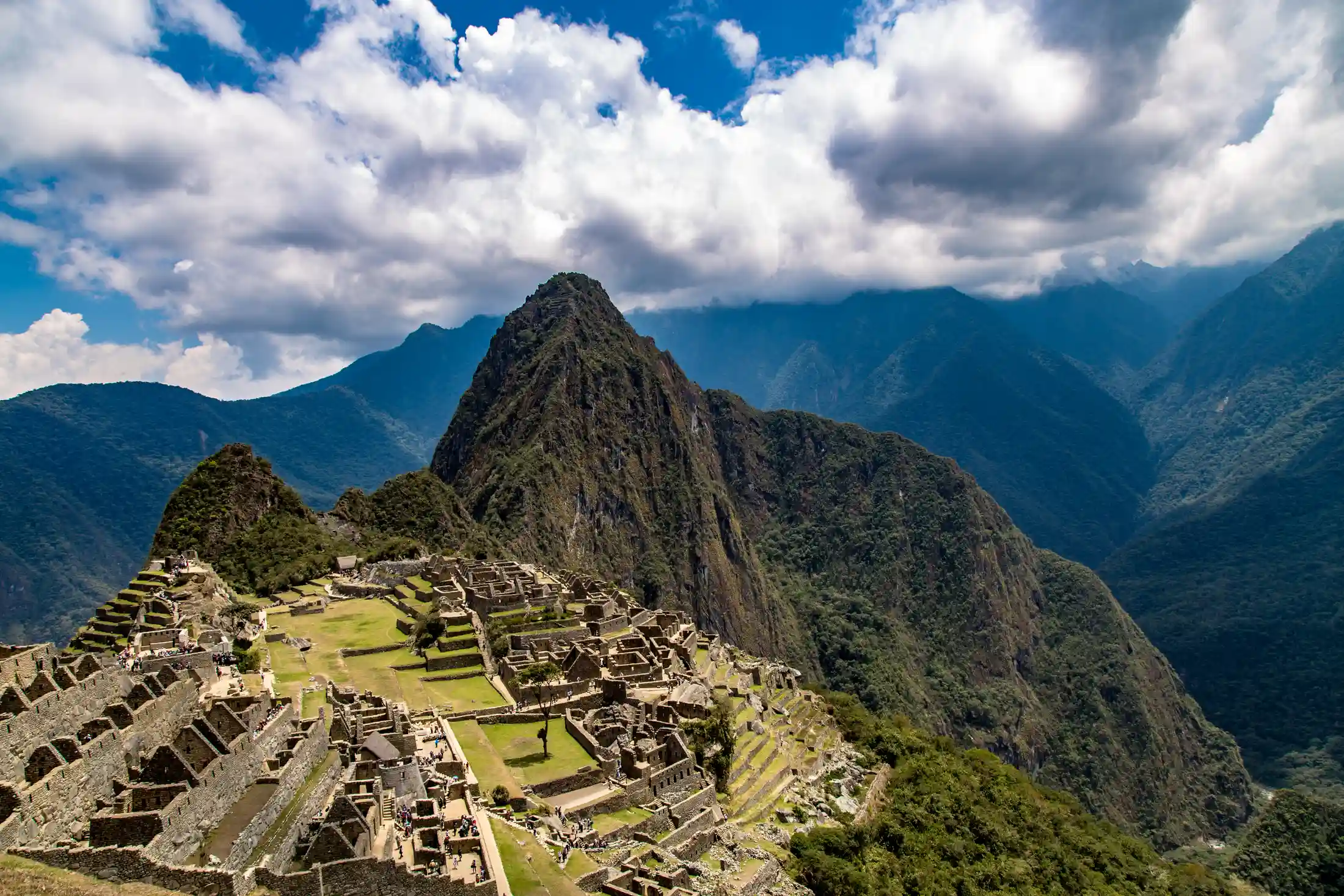
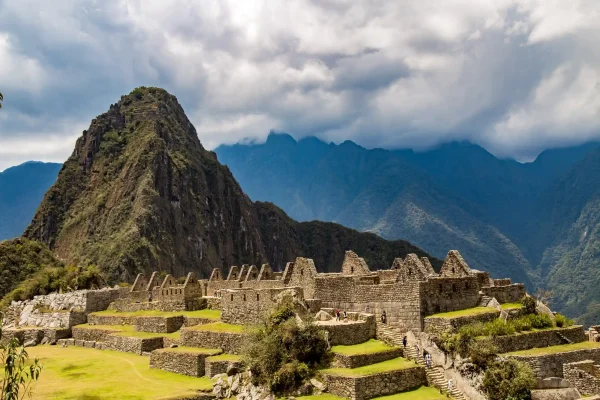
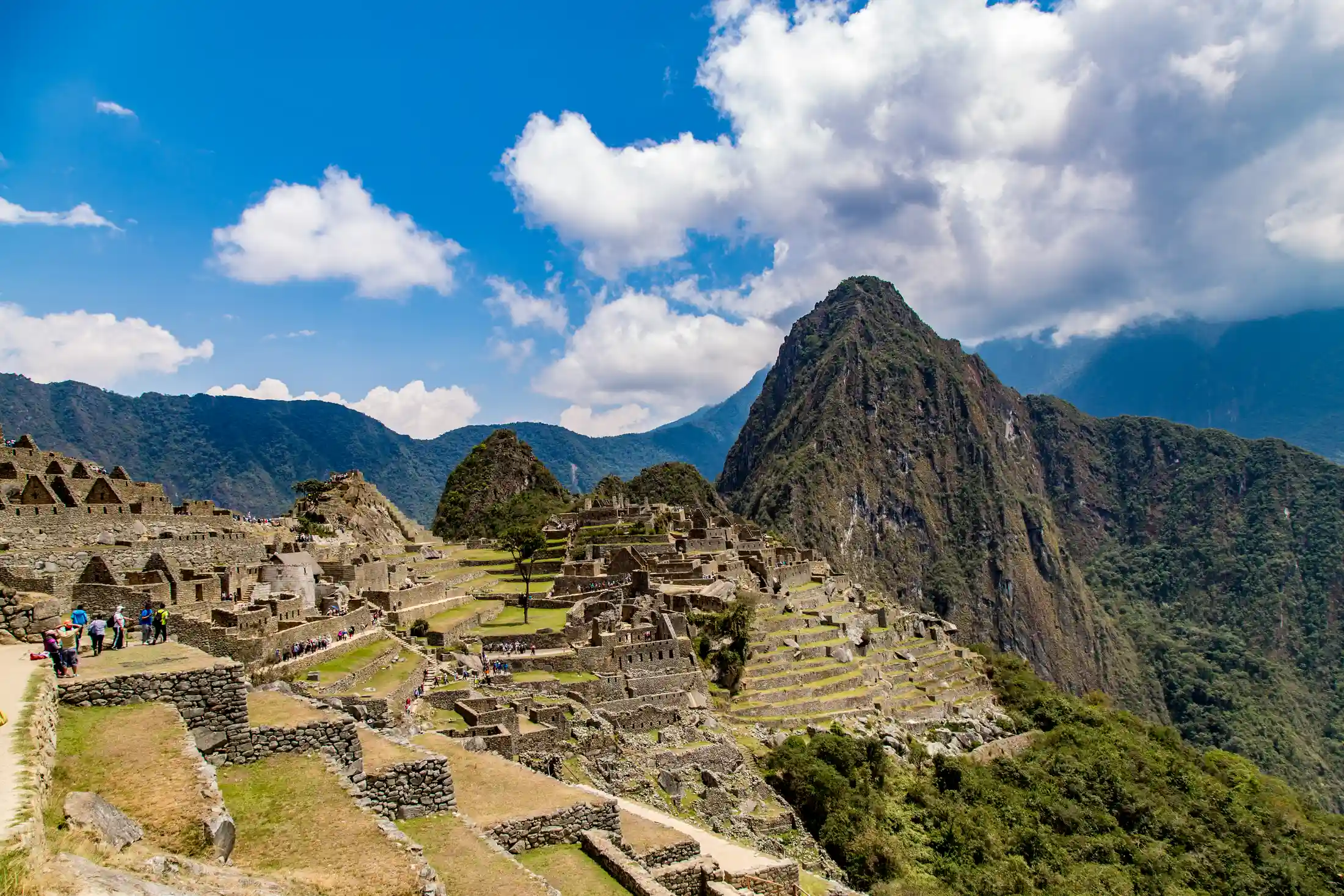
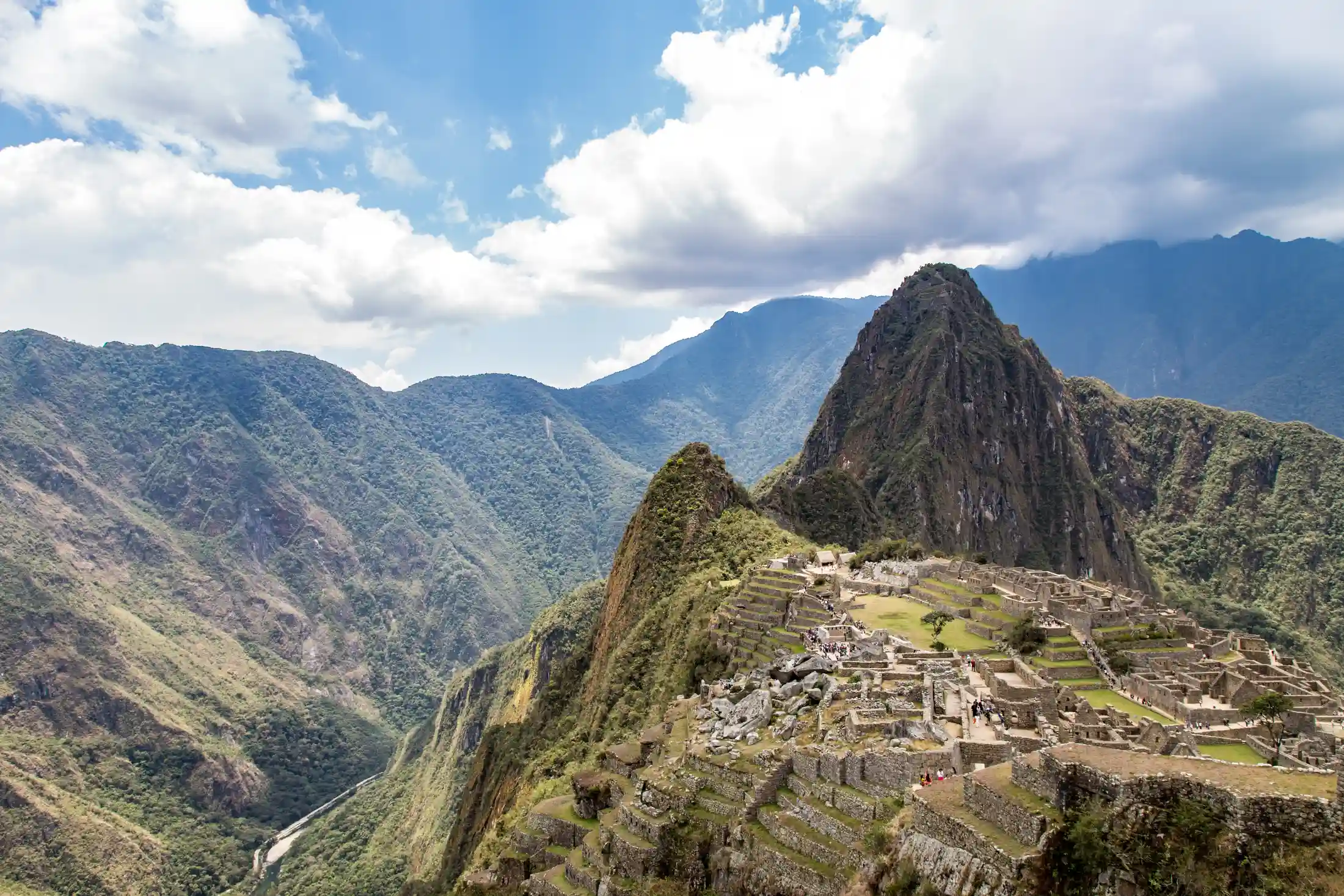
At Inti Punku, you get the first view of Machu Picchu from the Inca Trail. The view depends on weather, cloud cover, and timing. Some mornings are clear; other mornings are covered in mist. Either way, reaching this point on foot gives the arrival a feeling that is difficult to match.
After time at the Sun Gate, the route descends toward Machu Picchu. The trail includes stone path and downhill sections. Once near the citadel, you pass through the official access process and begin the guided visit according to the confirmed Machu Picchu circuit.
Machu Picchu now works with controlled circuits, so travelers must follow the route printed on the ticket. Depending on availability, the route may include panoramic terraces, classic urban sectors, lower route sections, or other official areas.
Your guide will explain the layout, terraces, temples, water channels, stonework, and the role of the surrounding mountains. After four days of walking, the site is not just a destination. It becomes the end of a physical and emotional route.
After the guided visit, you take the official bus down to Machu Picchu Pueblo. Depending on the train schedule, you may have time for lunch or a short walk in town. Later, you board the train to Ollantaytambo, where tourist transport takes you back to Cusco.
Arrival in Cusco is usually at night, depending on train timing, railway operation, weather, and road traffic.
Technical details
- Transport: Walking route, official bus, train, and tourist vehicle
- Walking level: Moderate
- Approximate distance: Around 5 to 6 km / 3.1 to 3.7 mi before and inside Machu Picchu, depending on circuit
- Trail surface: Stone steps, forest path, downhill trail, terraces, and uneven Inca stone
- Climate: Humid morning, warmer near Machu Picchu, cooler on return to Cusco
- Main places: Wiñay Wayna, Inti Punku, Machu Picchu, Machu Picchu Pueblo, Ollantaytambo, Cusco
- Meals: Breakfast
- Accommodation: Not included after return to Cusco
- Physical demand: Moderate, with early start and tired legs from previous days
- Important note: Machu Picchu circuit depends on official availability at booking
Inclusions
What’s Included
Group service is a strong choice for travelers who want the Classic Inca Trail at a lower price while sharing the route with other hikers.
The group may include travelers from different countries. This can make the trek social, but it also means fixed timing, shared guide attention, common camp rhythm, and less flexibility for slow walking or special stops.
Travelers joining group service should be ready for early mornings, cold camps, high altitude, stone steps, and a shared walking pace.
Group service price
| Service type | Price per person |
| Classic Inca Trail 4 Days – Group Service | USD 690 |
Group service details
- Shared professional guide
- Shared trekking team
- Shared camping setup
- Shared transport
- Travelers from different countries may join the same departure
- Fixed route and camp plan
- Fixed walking pace based on group condition
- Inca Trail permit required
- Machu Picchu circuit depends on availability
- Sleeping bag, air mattress, and walking poles may cost extra
- Extra porter support is not included unless confirmed
- Route changes depend on guide decision, weather, health, and safety
Discounts
- 18 to 25 years old: USD 30 discount. Required student card details: university name, student name, student photo, expiration date, and clear card image. A copy of the card is required at booking to request government approval for the discount.
- Under 18 years old: USD 30 discount. Please send a copy of the passport at the time of booking.
- Under 11 years old: USD 40 discount. Please send a copy of the passport at the time of booking.
Huayna Picchu Mountain is an optional hike within the Machu Picchu area and does not include a guide. The climb is usually done on your own after your guided route inside Machu Picchu. If you would like this extra hike to be guided, please request it in advance. There is an additional cost for that guided service.
What’s Not Included
- Breakfast on Day 1, unless stated in your confirmation
- Lunch on Day 4, unless stated in your confirmation
- Dinner on Day 4
- Sleeping bag
- Air mattress
- Walking poles
- Extra personal porter
- Travel insurance
- Water bottles or personal drinks
- Personal snacks
- Tips for guide, cook, porters, or driver
- Hotel in Cusco before or after the trek
- Huayna Picchu Mountain, Machu Picchu Mountain, or other extra routes
- Train upgrades
- Personal expenses
- Services not clearly listed as included
More Tour Information
- Tour name: Classic Inca Trail 4 Days
- Duration: 4 days and 3 nights
- Start: Cusco
- End: Cusco
- Main route: Cusco, Ollantaytambo, KM 82, Patallacta, Wayllabamba or Ayapata, Warmiwañusca, Pacaymayo, Runkurakay, Sayacmarca, Phuyupatamarca, Wiñay Wayna, Inti Punku, Machu Picchu
- Service type: Group or private
- Accommodation: Camping
- Transport: Tourist vehicle, trekking route on foot, official Machu Picchu bus, train, return vehicle
- Support team: Guide, cook, porters, and driver
- Walking level: Challenging
- Physical demand: High due to altitude, long walking days, stone steps, and mountain passes
- Approximate total distance: Around 42 km / 26 mi
- Highest point: Warmiwañusca / Dead Woman’s Pass, around 4,215 m / 13,828 ft
- Machu Picchu altitude: Around 2,430 m / 7,972 ft
- Trail surface: Stone steps, compact dirt, loose stones, forest paths, wet sections, mud, and steep descents
- Climate: Cold in high areas, humid in cloud forest, rainy or dry depending on season
- Best months: April to October for drier trail conditions
- Rainy season: Usually November to March
- Annual closure: The Inca Trail usually closes in February for maintenance
- Meals: Meals during the trek included, except those listed as not included
- Permit required: Yes, official Inca Trail permit required
- Recommended booking time: Up to 6 months in advance
- Not recommended for: Travelers with serious heart issues, severe altitude sensitivity, recent surgery, strong knee problems, major mobility limits, or pregnancy
The Classic Inca Trail is not just a trek to Machu Picchu. It is four days of stone paths, cold passes, cloud forest, Inca sites, early mornings, and that slow feeling of earning every step before reaching the Sun Gate.
This route starts at KM 82, near Ollantaytambo, and follows one of the most valued ancient paths in Peru. The trail moves through dry valleys, high mountain zones, humid forest, old stairways, narrow ridges, and archaeological sites that most travelers never see when they arrive only by train.
With Elvis Adventures, the trek is planned with official permits, licensed guides, porters, camping equipment, meals, transport, oxygen support, first aid kit, Machu Picchu ticket, and return logistics.
For honest planning, this tour cannot be left for the last minute. Inca Trail permits are limited and can sell out months in advance, especially from April to October. If you want this route, early booking gives you the best chance of securing your space, your preferred date, and a stronger Machu Picchu circuit.
Special Requirements
If you need medical equipment, a service animal, crutches, professional filming gear, drones, or special photography equipment, you must inform the Elvis Adventures reservations team in advance.
Some items may require permits, special transport, route adjustment, or may not be allowed on the Inca Trail or inside Machu Picchu.
Notes About Our Elvis Adventures Service
Hotel Pickup
Pickup is usually arranged from hotels in Cusco’s main tourist area. If your hotel is located on a narrow street where vehicles cannot enter, we will set a nearby meeting point.
For private service, pickup timing may be adapted to the route plan. For group service, pickup time is fixed and must be followed carefully.
Luggage Storage
Large luggage should stay at your hotel in Cusco or in a safe storage point arranged before departure.
For the trek, you will carry a day backpack with water, rain gear, warm jacket, sunscreen, snacks, camera, passport, and personal medicine.
Your main trek items will go in the duffel bag carried by porters. The personal weight allowance depends on the confirmed service and porter rules. You will not have access to this duffel during the walking day because the porter team normally moves ahead of the group.
Payment Conditions
A deposit or full payment is required to secure the Inca Trail permit, Machu Picchu ticket, guide, cook, porters, transport, camping gear, food, train ticket, and operation space.
This trek requires more planning than a day tour. Permits are personal, limited, and linked to passport details. Food must be purchased, equipment prepared, porters assigned, camp logistics reviewed, and safety gear checked before departure.
Once permits, tickets, porters, and equipment are confirmed, changes or cancellations may involve costs because official spaces and local workers are reserved in advance.
The remaining balance, if any, must be paid before the trek or according to the agreement made with the Elvis Adventures reservations team.
If you renew your passport after booking, bring both the old and new passport to avoid entry issues.
Return From Machu Picchu to Cusco
After your guided route inside Machu Picchu on Day 4, you will take the official bus down to Machu Picchu Pueblo.
Depending on your return train time, you may have time for lunch or a short walk through town. Later, you board the train from Machu Picchu Pueblo to Ollantaytambo.
Once you arrive at Ollantaytambo station, our tourist transport will take you back to Cusco. Arrival in Cusco is usually at night, depending on train schedule, railway operation, road traffic, weather, and season.
Availability
The Classic Inca Trail requires an official permit, and spaces are limited. We recommend booking up to 6 months in advance, especially from April to October.
This route does not allow last-minute booking when permits are sold out. If permits are not available for your date, Elvis Adventures may offer alternatives such as the Short Inca Trail 2 Days, Salkantay Trek, Lares Trek, or Machu Picchu by train.
The Inca Trail usually closes in February for maintenance, cleaning, and conservation work.
Machu Picchu entrance is also subject to circuit availability. The traveler must choose one available circuit at booking. If you want a specific circuit, please contact our reservations team before payment.
For private service, we can check better route options and adapt the plan when official availability allows it.
Useful Information
Classic Inca Trail Route
The Classic Inca Trail starts at KM 82, near Ollantaytambo, and follows a protected route toward Machu Picchu.
The route includes archaeological sites, high passes, cloud forest, stone steps, mountain viewpoints, and the final arrival through Inti Punku.
Warmiwañusca / Dead Woman’s Pass
Warmiwañusca is the highest point of the Classic Inca Trail, around 4,215 m / 13,828 ft.
This section is usually the hardest part of the trek because of the steep climb, altitude, and cold wind near the pass.
Wiñay Wayna
Wiñay Wayna is one of the strongest archaeological sites on the trail. It includes terraces, water channels, stone buildings, and a steep mountain setting.
Many travelers feel this site is one of the most powerful moments before reaching Machu Picchu.
Inti Punku
Inti Punku, also known as the Sun Gate, is the traditional high entrance point toward Machu Picchu from the Inca Trail.
On Day 4, travelers reach this point before descending to Machu Picchu.
Machu Picchu Circuits
Machu Picchu is controlled by official circuits. Travelers cannot enter any route they want once inside; they must follow the circuit printed on the ticket.
Common options may include:
- Circuit 2A: A strong classic-style route when available.
- Circuit 2B: A strong alternative to 2A, depending on availability.
- Circuit 1B: A panoramic route often used when classic circuits are sold out.
- Circuit 3B: A lower route that may be used depending on ticket availability and traveler needs.
Only one Machu Picchu circuit is included in the standard tour. Extra routes or mountain hikes must be requested in advance.
Porters
Porters carry camping equipment, food, kitchen gear, dining setup, and the allowed personal duffel weight according to the confirmed service.
Travelers still carry a day backpack with items needed during the walk. Porter weight rules must be respected.
Meals
Meals are included during the trek according to the itinerary. The cooking team prepares warm mountain food for long walking days.
Typical meals may include soups, rice, pasta, vegetables, potatoes, eggs, grains, hot drinks, pancakes, bread, fruit when possible, chicken, trout, and vegetarian options when requested.
Dietary needs must be informed in advance. Private service allows better food adjustment.
Camps and Nights
Camps are assigned according to Inca Trail regulations and permit allocation. Camps may vary depending on availability, season, and official management.
Nights can be cold, especially around Pacaymayo and higher camp areas. Warm sleeping gear is important.
Weather
Weather changes quickly on the Inca Trail. The route may bring sun, rain, wind, mist, cold nights, and humid forest sections.
The dry season usually gives better trail conditions, but cold nights remain possible. The rainy season can make stone steps slippery and forest sections muddy.
Travel Restrictions
Strikes and Demonstrations
Strikes and demonstrations are common in Peru, and they may interrupt some tours and treks. Roads can be blocked, and train tracks may be affected.
If this happens, Elvis Adventures will try to keep your trek as close as possible to the original plan. In some cases, this may require leaving earlier, changing transport timing, or adjusting logistics.
Under these circumstances, tours may also be canceled or changed. In case of changes or cancellations, our operations team will coordinate with you directly. Your safety is always the main priority.
Lost Objects
Please pay attention to where you leave your belongings and remember to take everything once you leave our transport, campsites, tents, dining areas, train, bus, restaurants, or waiting points.
Each traveler is responsible for personal belongings during the trek. Elvis Adventures is not responsible for lost items left in public areas, vehicles, campsites, tents, trains, buses, restaurants, or route stops.
Health and Physical Conditions
This trek takes place at altitude and includes long walking days, steep climbs, long descents, stone steps, humid forest, cold camps, and several days away from immediate city services.
It is not recommended for travelers with serious heart conditions, severe asthma, recent surgery, strong vertigo, severe altitude sensitivity, strong knee problems, back problems, or major mobility limitations.
Older travelers should have approval from their doctor before booking. Private service is usually better for older travelers because the pace can be adjusted.
Pregnant travelers should not take this trek due to altitude, uneven terrain, long walking days, remote camp conditions, and limited medical access.
If you feel headache, nausea, chest pressure, dizziness, strong weakness, confusion, or breathing difficulty during the trek, tell the guide immediately.
Inca Trail Rules
- Independent hiking is not allowed.
- Travelers must enter with an authorized guide and valid permit.
- Passport must match the permit information.
- Stay on the marked trail.
- Do not damage archaeological sites.
- Do not remove stones, plants, or objects.
- Do not leave trash.
- Follow the guide’s instructions at control points.
- Respect porter weight limits.
- Drones and professional filming equipment may require special permits.
Emergency and Route Change Note
The guide may change the walking pace, camp plan, return timing, or operational plan if weather, health, trail damage, strikes, railway issues, or official restrictions make the original plan unsafe.
On the Inca Trail, official rules and safety come before keeping the exact plan.
Final Booking Note
To book this trek, Elvis Adventures needs your full name, passport number, nationality, date of birth, travel date, hotel name in Cusco, preferred service type, dietary notes, health notes, and any gear rental request.
The Classic Inca Trail 4 Days is one of the strongest trekking routes in Peru for travelers who want stone paths, high passes, Inca sites, cloud forest, porter-supported camps, the Sun Gate, and a real walking arrival to Machu Picchu.
Clothing
- Warm down jacket or insulated jacket
- Fleece or thermal mid-layer
- Breathable hiking shirts
- Thermal base layer for cold nights
- Waterproof rain jacket
- Rain poncho
- Comfortable trekking pants
- Waterproof pants during rainy season
- Gloves
- Warm hat
- Sun hat or cap
- Neck warmer or buff
- Sunglasses with UV protection
- Hiking boots with good grip
- Extra trekking socks
- Sleepwear for camp
- Camp shoes or sandals
Travel Items
- Day backpack, around 25 to 35 liters
- Duffel bag for porter-carried items
- Reusable water bottle or hydration bladder
- Headlamp with extra batteries
- Power bank
- Personal snacks
- Dry bags or plastic bags for wet clothing
- Small towel
- Hand sanitizer
- Toilet paper
- Wet wipes
- Sunscreen
- Lip balm
- Insect repellent
- Personal toiletries
- Camera, if desired
- Cash in Peruvian soles
Documents
- Original passport
- Travel insurance details
- Student card, if applying for student discount
- Booking confirmation from Elvis Adventures
- Emergency contact information
- Medical notes if relevant
Personal Medication
- Personal medicine in original packaging
- Altitude support medicine, only if approved by your doctor
- Pain relief medicine recommended by your doctor
- Stomach medicine
- Motion sickness tablets, if needed
- Allergy medication, if needed
- Inhaler, if prescribed
- Blister care
- Small personal first aid items
Months Before the Trek
- Book early. Inca Trail permits are limited and can sell out months in advance.
- Send passport information exactly as shown on your document. The permit is issued with personal data.
- Train with uphill walks and long descents before traveling. Day 2 and Day 3 are physically demanding.
- Spend at least 2 or 3 days in Cusco or the Sacred Valley before the trek.
- Speak with your doctor if you have heart problems, asthma, blood pressure issues, anemia, knee problems, back problems, vertigo, or previous altitude sickness.
- Choose private service if you want a slower pace, better support, or more control over food and walking rhythm.
- Buy travel insurance that covers trekking and emergency evacuation.
- Tell the reservations team about dietary needs, allergies, medical conditions, or past altitude issues.
A Few Days Before the Trek
- Attend the pre-tour briefing in Cusco.
- Sleep well before departure.
- Avoid heavy alcohol before the trek.
- Eat light meals the day before the trek.
- Prepare rain gear even in dry season.
- Pack warm clothing for cold nights and high passes.
- Bring cash in Peruvian soles for tips, snacks, restrooms, or personal needs.
- Confirm your pickup point with Elvis Adventures.
- Check your passport and keep it in your day backpack.
During the Trek
- Walk slowly from the first day. A fast start can make Day 2 harder.
- Drink water in small amounts throughout the day.
- Use layers. You may feel warm while climbing and cold during stops.
- Tell the guide immediately if you feel headache, nausea, chest pressure, dizziness, strong weakness, or breathing difficulty.
- Respect archaeological sites. Do not climb walls or enter restricted areas.
- Do not leave trash on the trail.
- Stay on marked paths.
- Do not walk alone away from camp.
- Keep your headlamp close at night.
- Protect your knees during descents.
- Thank the porter team respectfully. Their work makes the trek possible.
Require More Information
Contact Us
Let our local experts help you choose the perfect Peruvian adventure.
Traveler Reviews